Every siding material claims to be durable. The real question for a Montgomery County homeowner is narrower: what holds up to Maryland's specific weather, the humidity, the storms, the freeze-thaw and the heat? Get that right and your siding protects the home and looks good for decades. Get it wrong and you are dealing with fading, warping or rot far too soon. Let us look at what actually performs here.
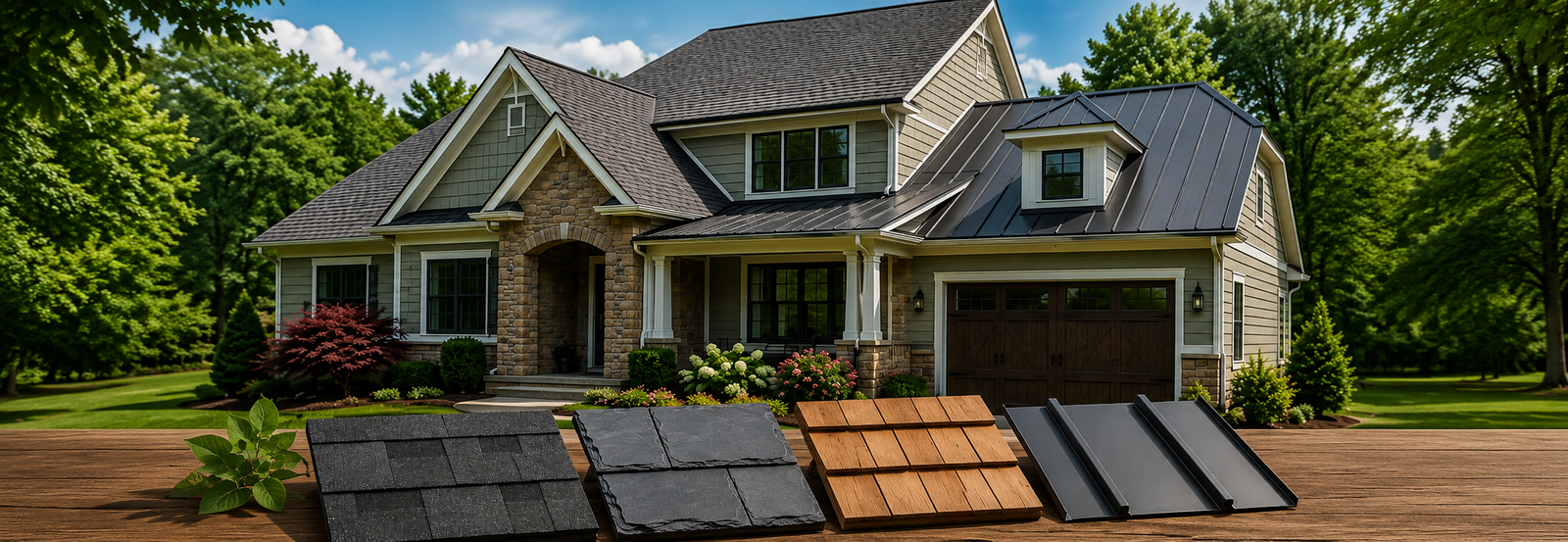
This reflects the exterior work we do through our siding and windows service, and it applies the same climate-first thinking we use for roofing, which is how a home's whole exterior ends up genuinely weather-ready.
Maryland's Weather Challenge
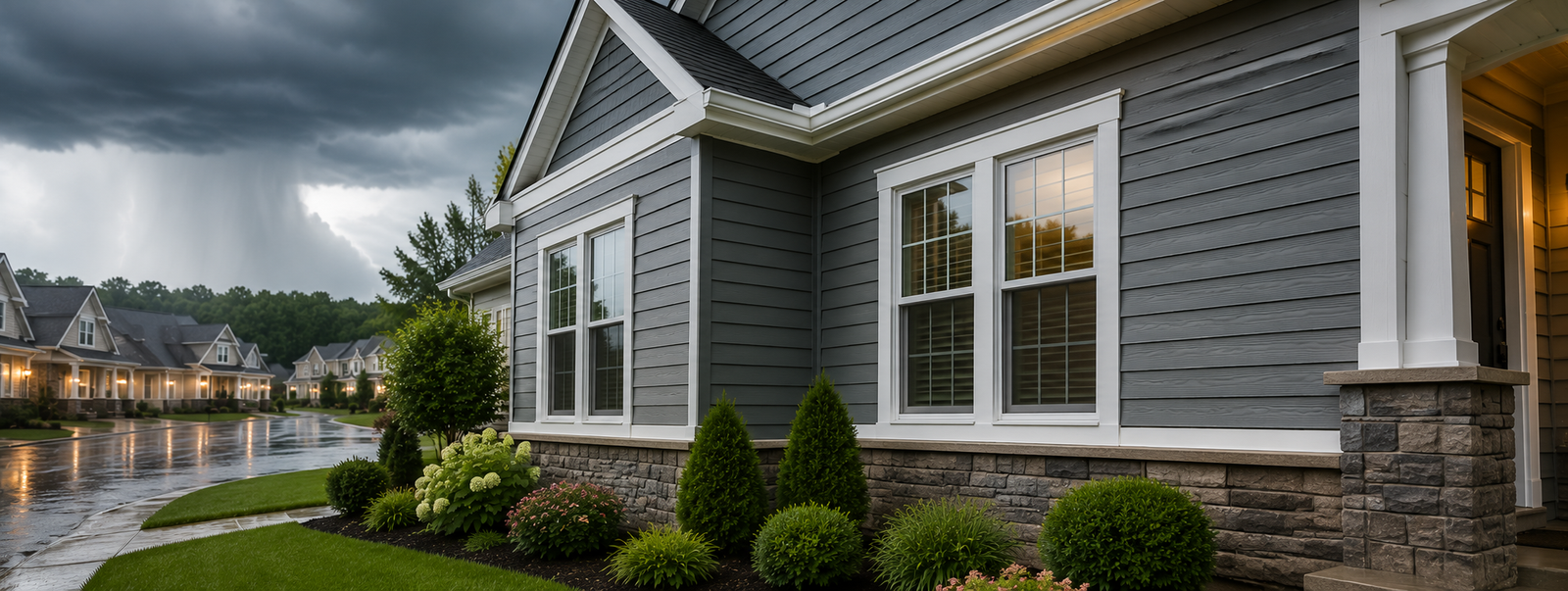
Maryland siding has to survive a demanding combination. Humid summers push moisture against the walls and encourage rot and mold in vulnerable materials. Hot sun beats on south- and west-facing walls, fading some materials and warping others. Cold winters and freeze-thaw cycles stress materials that absorb water. And periodic storms bring wind, rain and occasional hail or flying debris. A siding material that thrives in a dry, mild climate can struggle here, so the right choice for Maryland is the one that handles moisture, heat and impact together.
What Makes Siding Hold Up Here
Four properties determine how well siding survives Maryland's weather:
- Moisture resistance - the ability to shrug off humidity and rain without rotting, swelling or growing mold. This is the single most important trait in our climate.
- Heat and warp resistance - holding its shape and color under strong sun without warping, buckling or fading.
- Storm and impact resistance - standing up to wind-driven rain, hail and debris without cracking or pulling loose.
- Maintenance level - how much upkeep it takes to keep performing, because a material that needs constant care will fail if that care lapses.
The best siding for Maryland balances all four. Here is how the main materials compare.
Vinyl in Maryland
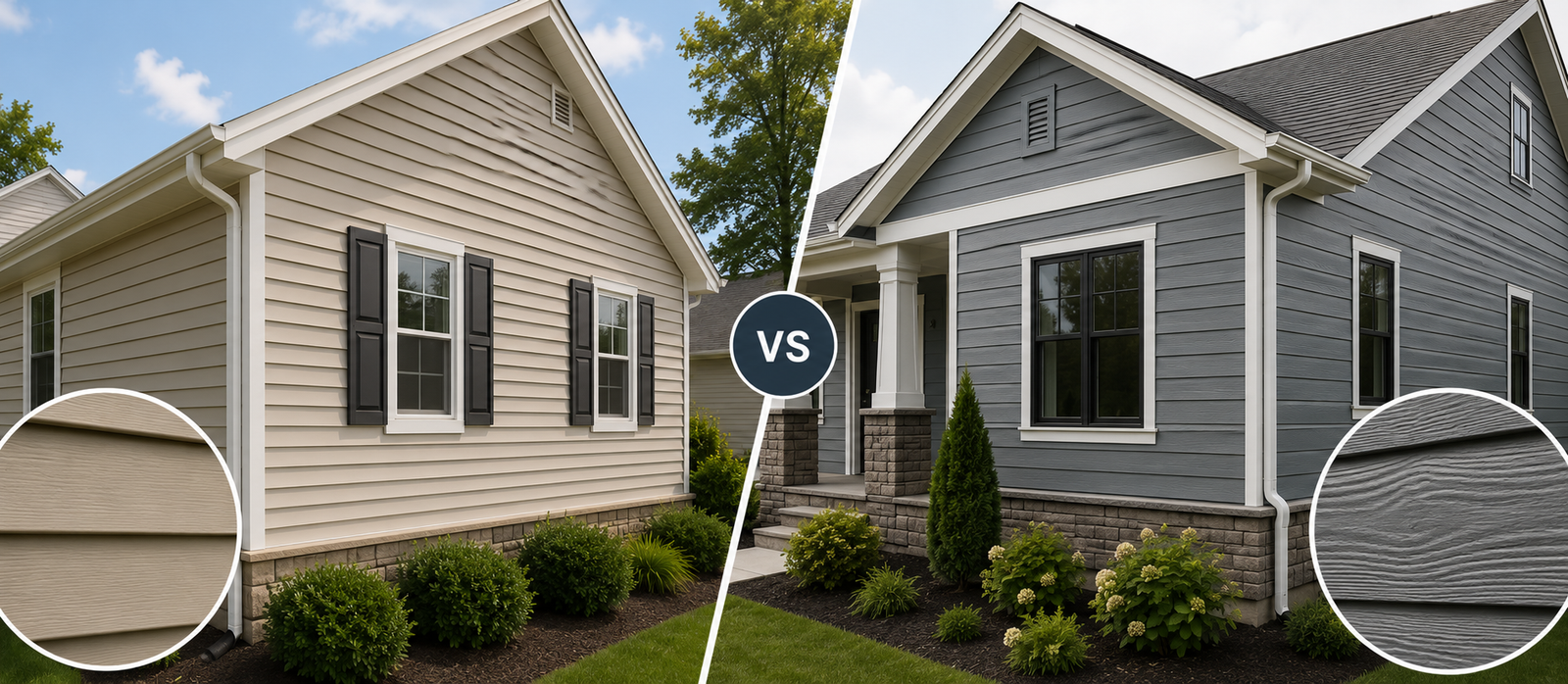
Vinyl is the most popular siding here, and it earns that place: it does not absorb water, so it resists the rot and moisture damage that Maryland's humidity causes, and it needs very little maintenance. Its main weaknesses are heat and fading. Vinyl siding fading can occur over many years of strong sun, though better modern vinyl holds color well, and vinyl can warp, buckle or even melt near concentrated heat, reflected sun off low-E windows, a grill too close to the wall, or dark vinyl on a heavily sun-exposed wall. Under everyday Maryland conditions, quality vinyl installed properly performs well and is a strong value. It is a genuinely good choice here, with heat exposure the main thing to plan around.
Fiber Cement in Maryland
Fiber cement (James Hardie is the best-known brand) is the standout performer for Maryland weather. Made of cement, sand and cellulose fibers, it does not rot, swell or feed mold in humidity, does not warp or melt in heat, and resists impact from storms and debris better than any other common siding. Its fiber cement durability shows in a long lifespan, commonly 30 to 50 years, and strong resistance to exactly the conditions that challenge other materials here. It costs more than vinyl and is more specialized to install, but for pure weather resistance and longevity in this climate, it is the top choice. It also holds paint well and delivers a premium, wood-like look.
Not Sure What Suits Your Home?
The best siding depends on your home's exposure, your budget, and how much maintenance you want to do. We assess your walls, sun exposure and current condition, walk you through which materials hold up best for your situation, and give you a detailed, line-item estimate, siding built for Maryland's weather, not just the catalog. Free siding consultations across Brookeville, Laytonsville and all of Montgomery County.
Wood & Engineered Wood
Natural wood siding offers a classic, warm look, but it is the most vulnerable material in Maryland's humidity. It can absorb moisture, rot, warp and grow mold, and it needs the most maintenance, regular cleaning, staining or painting, and sealing, to survive damp conditions. Neglect it and damage follows quickly. It suits only homeowners genuinely committed to that upkeep. Engineered wood (treated wood-composite products) is a smart middle ground: it delivers a real-wood appearance with much better moisture resistance than natural wood and moderate maintenance, more than vinyl or fiber cement, but far less than natural wood. For homeowners who want the wood look with more durability, engineered wood is worth considering, though wood siding maintenance is still part of the deal.
Which Holds Up Best?
Here is how the main materials compare on the properties that matter most in Maryland:
| Material | Moisture | Heat / Warp | Storm / Wind | Maintenance |
|---|---|---|---|---|
| Fiber cement | Excellent | Excellent | Excellent | Low |
| Vinyl | Good | Can warp near heat | Good | Lowest |
| Engineered wood | Good | Good | Good | Moderate |
| Natural wood | Poor | Good | Moderate | High |
The verdict for Maryland: fiber cement is the best all-around performer for weather resistance and longevity; vinyl is the best value, resisting moisture and rot with the lowest maintenance; engineered wood is the durable wood-look middle option; and natural wood makes sense only for homeowners who will keep up the maintenance it demands.
Storm & Wind Resistance
Maryland sees summer thunderstorms, wind, and occasional hail and flying debris, so storm resistance matters. Fiber cement is generally the most storm and impact resistant, its dense, heavy composition stands up to wind-driven impacts, hail and debris better than lighter materials. Fiber cement products are also engineered and rated for high winds, though the specific siding wind rating varies by product, and you should confirm the rating for the exact product used rather than assume a number. Quality vinyl installed correctly also handles typical storms well; the key with any material is proper fastening, because siding that is not installed correctly is far more likely to fail in high wind regardless of what it is made of. Storm resistance is really a whole-system property: the siding, the fastening, the weather barrier and the detailing around openings all contribute.
Moisture & Humidity
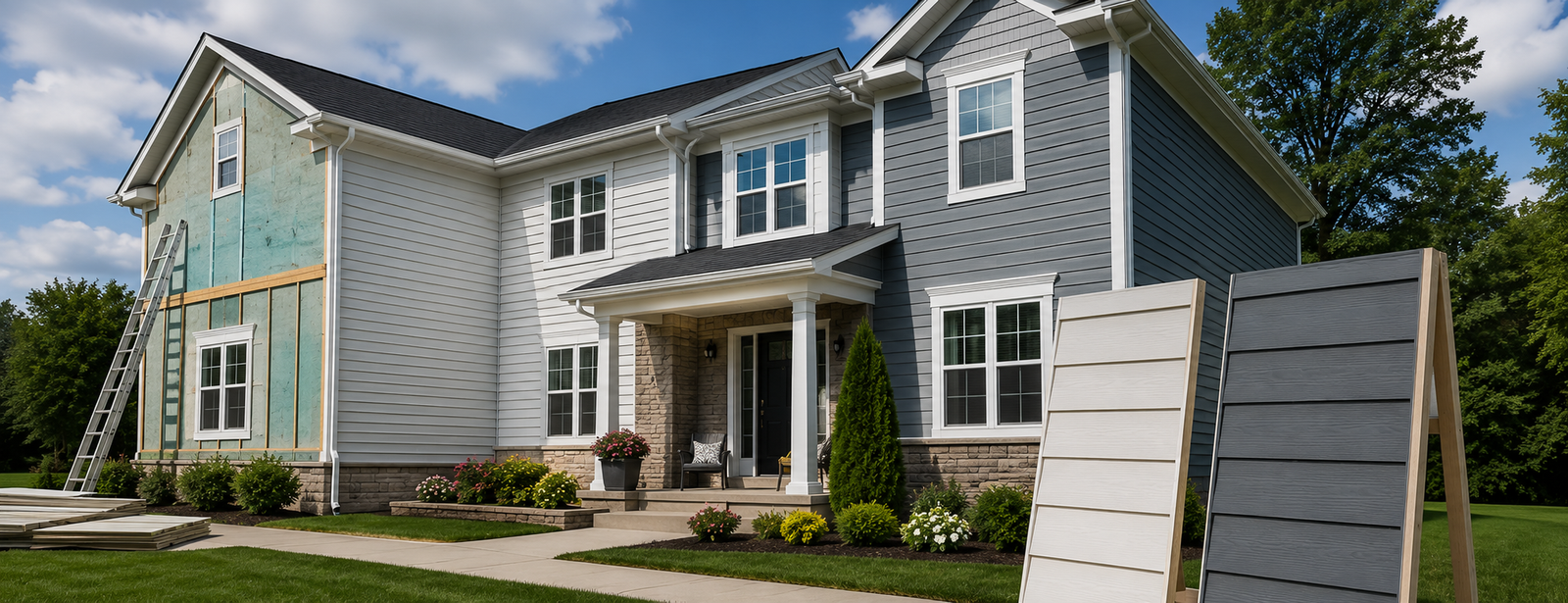
Moisture is the defining challenge of Maryland's climate, and it is where siding choice matters most. Fiber cement and vinyl both resist moisture well and will not rot, which is why they outperform natural wood in our humid summers. But the material is only half the defense. Underneath the siding, a weather-resistant barrier (house wrap) is what actually keeps wind-driven rain and moisture off the wall structure while letting the walls dry, and this barrier, not the siding alone, is the real protection against the rot, mold and energy loss humidity causes. Siding moisture damage almost always traces back to water getting behind the siding and sitting against the structure, so when siding is installed or replaced, inspecting and replacing that barrier, addressing any damaged sheathing, and carefully detailing around windows and doors is essential. In Maryland's climate, the whole system, not just the surface, is what keeps a home dry.
Low-Maintenance Options
For homeowners who want to spend as little time as possible on upkeep, vinyl leads on low maintenance, typically just an occasional wash, with no painting, staining or sealing. Fiber cement is a close second: it is very low-maintenance and far more durable, though it will eventually need repainting after many years. Engineered wood needs moderate upkeep, and natural wood needs the most. So the low maintenance siding winners are vinyl and fiber cement, vinyl for the absolute least upkeep, fiber cement for near-vinyl maintenance with better weather resistance. Whichever you choose, remember that low-maintenance refers to the surface; the weather barrier and good installation underneath still do the essential work, and keeping vegetation and sprinklers off the walls helps any siding last.
Best Siding in Brookeville, Laytonsville and Across the County
The right siding for a home depends on its exposure, its surroundings, and how much maintenance the owner wants, and in Maryland's climate that decision is really about weather resistance first. As a siding contractor in Montgomery County MD, we help homeowners choose and install siding built for this climate, and we treat the weather barrier underneath as seriously as the siding on top. Whether it is siding replacement in Brookeville MD, house siding in Laytonsville MD, or siding anywhere else in the county, the approach is the same: assess the walls and exposure, recommend the material that holds up best for the situation, replace the weather barrier and repair any damaged sheathing, and install to withstand humidity, heat and storms. Our siding and windows service covers the full exterior, and for material cost and comparison see our vinyl vs James Hardie guide and siding cost guide.
Because siding's real job in Maryland is to keep weather out for decades, the material choice and the installation matter equally, and one accountable crew doing the whole thing correctly is what protects the home. That is how we approach every siding project in Montgomery County MD, family-owned, MHIC licensed, 75+ years of combined experience, and a strict zero-subcontractor policy that keeps the weather barrier, the siding and the trim under one roof, the same climate-first approach we bring to roofing and the rest of the home's exterior.