Skylights divide homeowners. One group loves the flood of daylight and the sky views; another remembers a leaky, foggy skylight from a house they grew up in and wants nothing to do with them. Both reactions are understandable, and both are usually about the same thing: the older units, and the bad installs, gave skylights a bad name they no longer deserve.
This guide gives you the straight answer on whether a Velux skylight installation is worth it for a Maryland home. We will cover the genuine benefits, the real drawbacks, what it actually costs in 2026, whether you can add one to your existing roof, and why skylights leak, so you can decide with clear eyes instead of old reputations.
Why Velux Is the Standard
Velux is the brand most professional installers reach for because the engineering solves the two historic skylight problems: leaks and heat. Velux units ship with a model-specific flashing kit designed to integrate with the roof, which is the single biggest factor in whether a skylight leaks. They also use insulated, low-E glass that addresses the heat and condensation issues that plagued older acrylic-bubble skylights.
That does not mean any Velux installs itself correctly. The unit can be excellent and the install still bad. But starting with a quality unit and a real flashing kit, in the hands of a roofer who understands flashing, is what makes a modern skylight reliable. You can read more on the Velux official site, and we cover the specific models and pricing in our companion guide on Velux skylight models and pricing.
The Pros of Velux Skylights
- Dramatic natural lighting. A skylight delivers two to three times more light than a vertical window of the same size and brings it into rooms a wall window cannot reach, like interior bathrooms, hallways and stairwells. This is the number one reason homeowners install them, and the effect on a dark room is hard to overstate.
- Ventilation. Venting models open to let hot air escape at the highest point of the room, which is exactly where heat collects. In a Maryland summer this passive cooling can meaningfully reduce how hard your AC works.
- Energy efficiency. Modern low-E glass and natural daylight reduce reliance on electric lighting and, with venting, on cooling. The right model is genuinely energy positive rather than a heat liability.
- Home value and appeal. Bright, airy rooms show better and feel larger. Skylights are a visible upgrade buyers notice.
- Privacy with light. A skylight brings in daylight without sacrificing privacy the way a large wall window can, which is ideal for bathrooms.
The Cons (And How They're Solved)
An honest assessment includes the downsides. The good news is that each one has a solution with modern units and proper installation.
- Upfront cost. A skylight costs more than a wall window because installation involves the roof. It is an investment, though a relatively modest one compared to most renovations.
- Leak risk if installed wrong. This is the real one. A skylight installed without the correct flashing kit by someone who does not understand roofing will eventually leak. Solved entirely by using the right unit and an experienced installer.
- Heat and glare. Older skylights baked rooms in summer. Modern low-E glass plus factory blinds control heat and glare, turning this from a problem into a non-issue.
- Not right for every roof or room. Roof orientation, pitch and attic structure affect feasibility. A good installer tells you honestly if a particular spot is a poor candidate.
Velux Skylight Installation Cost in Montgomery County (2026)
Here are realistic installed 2026 prices for Velux skylight installation in Montgomery County. The unit type is the biggest factor, followed by how much interior finishing the light shaft requires.
| Skylight Type | Installed Cost | Best For |
|---|---|---|
| Fixed (Non-Opening) | $1,200 to $2,500 | Pure daylight in stairwells, hallways, closets and high spaces you won't reach to open |
| Manual Venting | $1,800 to $3,500 | Within-reach skylights where you want light plus the option to open for airflow |
| Solar or Electric "Fresh Air" | $2,500 to $5,000 | Out-of-reach skylights, remote and rain-sensor operation, bathrooms and kitchens |
The main cost drivers beyond the unit are the length and finishing of the light shaft (a high vaulted ceiling with a long drywalled shaft costs more than a flat-ceiling install), your roof type, and any blinds or accessories. We give a firm written number after seeing the room and roof, because every install is different.
Thinking About Adding a Skylight?
We come out, look at your roof and the room, tell you honestly whether it is a good candidate, and give you a firm written quote. Free, no obligation, response within 24 hours across Montgomery County.
Can You Add a Skylight to an Existing Roof?
Yes. In most homes a skylight can be added to an existing roof, and it is one of the more satisfying upgrades because the change to a room is immediate and dramatic. The work involves cutting an opening through the roof and ceiling, framing it properly, building a light shaft if there is attic space between the roof and the ceiling, installing the unit with its flashing kit, and finishing the interior with drywall and paint.
It is straightforward for an experienced crew, but make no mistake, it is real construction that opens your roof to the sky. The feasibility depends on roof framing, the space above the ceiling, roof pitch and orientation. The most important thing is that whoever does it understands roof flashing, because that is what keeps it dry for decades. This is genuinely not a job for a handyman.
Why Skylights Leak During Heavy Rain
Here is the truth that surprises people: most skylight leaks are not the skylight's fault. A quality unit with intact flashing simply should not leak. When one does, it is almost always one of these:
- Failed or wrong flashing. The most common cause by far. Flashing that was installed incorrectly, was the wrong type, or has corroded over time lets water in around the unit, not through it.
- Deteriorated sealant. Old caulk and sealant break down and crack, opening a path for water.
- An aged or cracked skylight. A unit that has reached the end of its life, especially an old acrylic bubble, can craze and crack.
- Debris damming. Leaves and debris collecting above the skylight can pond water and force it under the flashing.
- Condensation mistaken for a leak. Poor ventilation can cause condensation that drips like a leak but is actually a humidity problem.
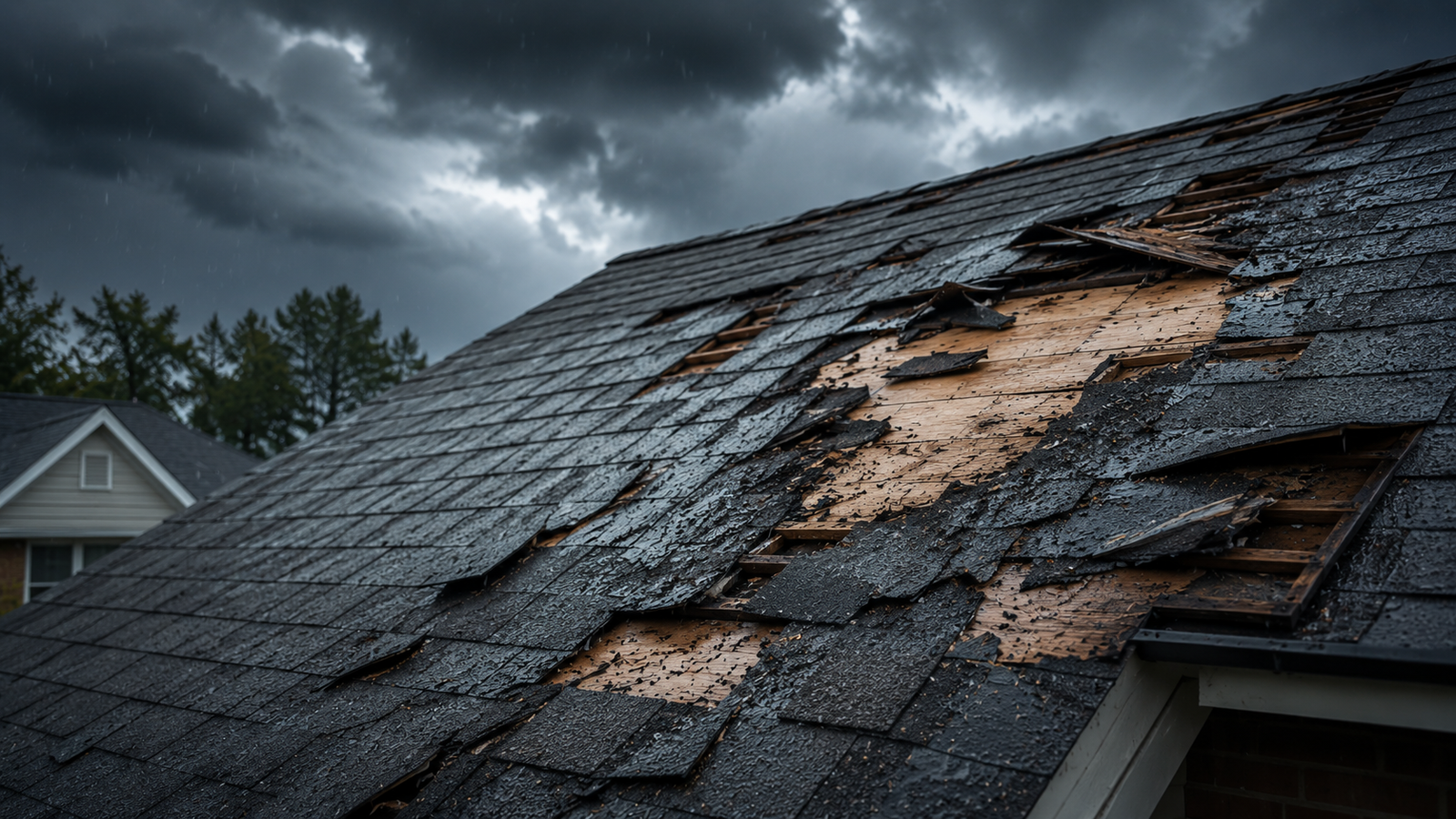
Because the cause is usually flashing or the surrounding roof rather than the skylight glass, a leaking skylight fix is often far simpler and cheaper than homeowners fear. If your roof took a recent storm, our guide on spotting hidden roof storm damage is worth a read, since skylight flashing is a common storm casualty.
Skylight Repair vs Replacement
If your skylight is leaking or fogging, the question is whether to repair or replace. The right answer depends on the unit's age and condition.
Repair makes sense when the skylight itself is sound and relatively modern, and the problem is flashing, sealant or a surrounding-roof issue. Reflashing and resealing a good unit restores it for far less than replacement.
Replacement makes sense when the unit is old, the glass is fogged from a failed seal, the frame is deteriorated, or you are replacing the roof anyway. In fact, replacing skylights at the same time as a roof replacement is the smartest approach, because the new unit and roof share one flashing system and one lifespan, which is the most leak-resistant configuration possible.
Energy Efficiency and Tax Considerations
Modern energy-efficient skylights are a different product from the units that earned skylights their hot-and-leaky reputation. Insulated low-E glass cuts heat transfer, venting models exhaust hot air to ease cooling load, and factory blinds add another layer of control over heat and glare.
Solar-powered Velux models and their blinds have historically qualified for federal energy tax credits, which made them effectively cheaper than the sticker price suggested. However, federal energy credit rules have changed recently, so eligibility this year is not guaranteed. Confirm current credit availability with a qualified tax advisor before counting on it. The ENERGY STAR program is a good reference for which products meet efficiency standards.
How to Choose a Skylight Installer
Since flashing makes or breaks a skylight, the installer matters as much as the unit. Ask anyone you are considering:
- Are you a roofing contractor, not just a window installer? Skylights live in the roof. The person installing one should understand roofing and flashing deeply.
- Do you install the manufacturer's flashing kit? The correct kit, installed correctly, is the whole game. There is no shortcut here.
- Are you licensed and insured in MD and DC? Verify it. The install opens your roof.
- Do you use subcontractors or in-house crews? We use only our own team. Here is why that matters.
- What is your written warranty? Get both the Velux product warranty and a workmanship warranty in writing.
Cliffbrook Construction installs and repairs Velux skylights as part of our skylight service, serving Rockville, Bethesda and the rest of Montgomery County. Because we are a full roofing and general contractor, we handle the skylight and the surrounding roof as one system, which is exactly how leaks are prevented.