Renovating a historic home is one of the most rewarding projects a homeowner can take on, and one of the easiest to get wrong. Do it well and you get a home that has all the modern comfort you need while keeping the character, craftsmanship and soul that made you fall for it. Do it carelessly and you can strip out the very things that made it special, or run into old-home surprises and historic-district rules you did not see coming. Here is how to remodel a historic home the right way.
This reflects the historic work we do through our Takoma Park historic home remodeling service, applying the same respect for period homes that guides our specialty roofing on historic homes.
Why Historic Homes Are Different
A historic home is not just an old house, it is a home with architectural and historical character worth preserving, often within a designated historic district that adds rules to protect that character. Renovating one differs from a modern remodel in three big ways: there are preservation guidelines and approvals to work within for exterior changes; there are old-home realities behind the walls, aged wiring and plumbing, plaster walls, non-standard sizes, and hidden surprises; and there is a balance to strike between modernizing for how you live now and preserving what makes the home historic. Getting all three right is what separates a remodel that honors the home from one that diminishes it.
Can You Remodel in a Historic District?
Yes, historic designation does not freeze a home in time. But in a designated historic district, exterior changes visible from the street, windows, doors, roofing, siding, porches, additions, and the overall appearance, typically require review and approval by the local historic preservation commission before work begins, to ensure they suit the home's period and the district. Interior remodeling that does not affect the exterior (kitchens, bathrooms, layout) is usually far less restricted, though normal building permits still apply. The point is not to stop you modernizing, it is to guide how you do it, favoring repair and period-appropriate work over changes that would erode the district's character.
The Rules in Takoma Park & DC
In Takoma Park, homes in the designated historic district are reviewed by the Takoma Park Historic Preservation Commission for exterior changes affecting the historic character, you apply for approval before doing such work. In Washington DC, historic properties fall under the DC Historic Preservation Office and its review process. In both, the general pattern is the same: exterior alterations get reviewed for compatibility with the home's era and the district, original features are favored for repair and preservation, and period-appropriate replacements are expected where replacement is necessary. Routine interior work generally is not subject to historic review.
Historic district boundaries, review requirements, application processes and standards are set by each jurisdiction and can change, and the Maryland side of Takoma Park and the DC side of Takoma are separate jurisdictions with separate processes. Before finalizing any plans, confirm exactly what applies to your specific property directly with the Takoma Park Historic Preservation Commission (Maryland side) or the DC Historic Preservation Office (District). This article is general guidance, not a substitute for the current, property-specific rules from the governing authority.
Common Old-Home Challenges
Old homes, including the 1920s bungalows and early-century houses common here, come with challenges newer homes do not:
- Aged systems: knob-and-tube or otherwise outdated electrical wiring, old galvanized or cast-iron plumbing, and heating systems that predate modern efficiency often need updating, carefully, within old walls.
- Plaster walls: plaster-and-lath rather than drywall, requiring specialized repair to preserve (more on this below).
- Lead and asbestos: older materials may contain lead paint or asbestos, which must be handled safely by qualified professionals.
- Structural quirks: decades of settling, non-level floors, and framing or foundations built to older standards.
- Non-standard sizes: original windows, doors and trim rarely match modern stock, so matching or sourcing period materials takes effort.
- Hidden surprises: old homes almost always reveal something unexpected once walls are opened, which is why budget contingency and flexibility matter.
None of these are reasons not to renovate, they are simply why old-home work is more involved, and why an experienced historic contractor who anticipates them is worth so much.
Planning a Historic Home Project?
Historic remodeling rewards experience, knowing the district process, anticipating old-home surprises, and preserving character while modernizing. We walk your home, talk through what you want to change and what should be preserved, help you navigate the historic review where it applies, and give you a detailed, itemized estimate with honest disclosure of the unknowns. Free consultations across Takoma Park, Kensington and Washington DC NW.
Plaster Walls & Period Details
One of the defining features of an older home is plaster walls, plaster applied over wood lath or gypsum, rather than modern drywall. They give an old home its solid, substantial feel, and they are worth preserving. Over time plaster can crack, come loose from the lath (delamination, where it detaches and sounds hollow), or take water damage, but in most cases plaster wall repair can save it: cracks stabilized and filled, loose sections reattached, damaged areas patched and skim-coated to blend in. Full replacement is only needed when the plaster is truly beyond saving. Repairing plaster is more skilled and labor-intensive than hanging drywall, so it costs more, but preserving original walls, along with trim, moldings, hardwood floors, period doors and hardware, staircases and fireplaces, is a big part of keeping a historic home's character intact. The instinct to gut and replace is exactly what strips old homes of what makes them special.
Modernizing Without Losing Character
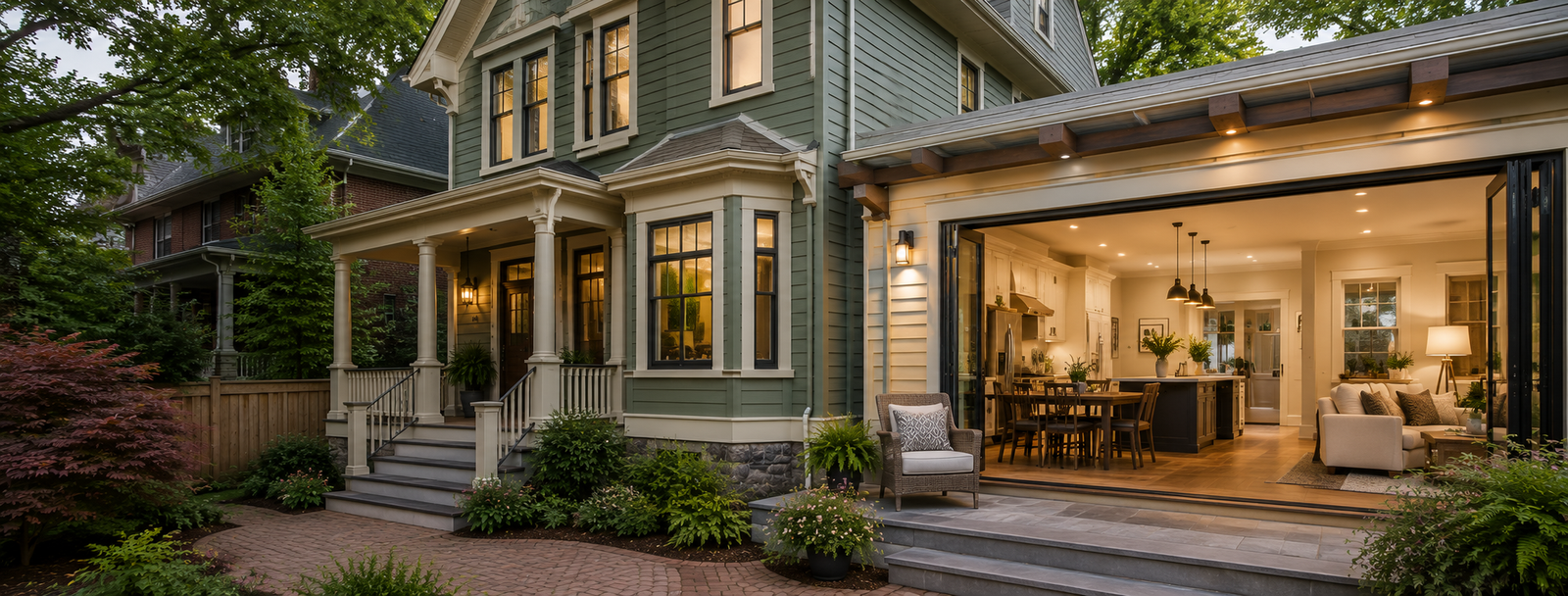
The heart of good historic remodeling is a simple principle: preserve the character-defining features, and sensitively update the rest. In practice that means protecting and repairing the elements that give the home its soul, original trim, floors, plaster, doors, hardware, the exterior's proportions and materials, while modernizing where it counts and where it will not damage that character. You update the hidden systems (wiring, plumbing, HVAC), you make kitchens and bathrooms work for modern life with designs that respect the home's era, and you improve efficiency thoughtfully. When something must be replaced, you match it to the original.
The mistakes that ruin old homes come from the opposite approach: ripping out original character for generic modern finishes, or bolting on additions that fight the home's proportions and scale. Done right, a historic remodel feels like the home was always meant to be this way, comfortable and functional, yet unmistakably itself.
Period-Appropriate Materials
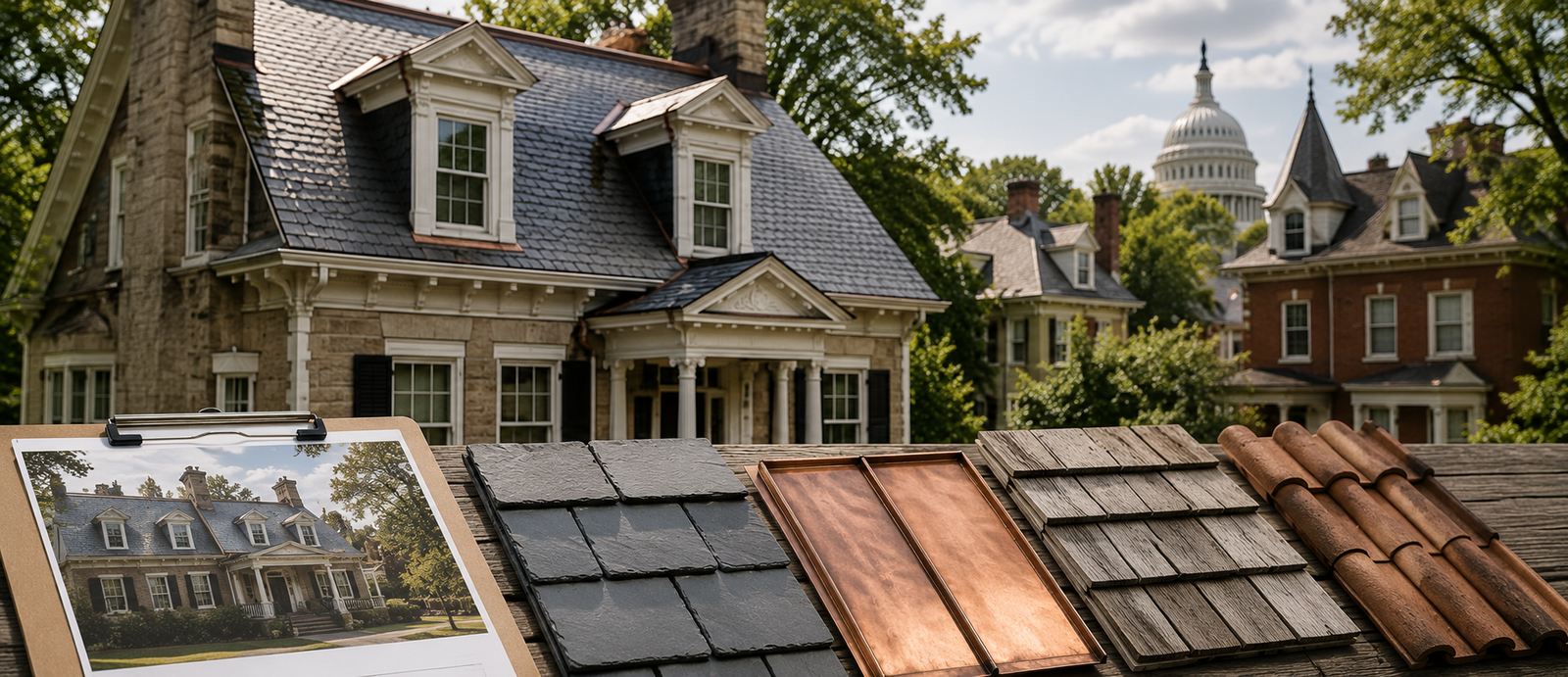
Period-appropriate materials are materials and finishes chosen to match a home's era and style, so repairs, replacements and additions blend with the original instead of clashing. That means matching original trim profiles, using flooring like heart pine or oak consistent with the period, sourcing windows and doors that reflect the original style, and choosing hardware, fixtures, tile and, on the exterior, roofing and siding appropriate to the architecture. They matter three ways: aesthetically, they preserve the cohesive, authentic look that gives a historic home its charm; practically, they are often what wins historic-commission approval for exterior changes; and in terms of value, buyers who seek out historic homes specifically want that preserved character. Sourcing these materials, salvaged or reproduction, takes knowledge and effort, which is part of what distinguishes a contractor who truly does historic work from one who does not.
Choosing a Historic Remodeling Contractor
Historic work magnifies the cost of inexperience, so the contractor matters more than on a standard remodel. Good questions to ask: Have you worked on homes of this era, and can you show me recent historic projects? Are you familiar with the Takoma Park and DC historic review processes? How do you approach preserving original features like plaster and trim? How do you source period-appropriate materials? Are you licensed and insured in both MD and DC? And do you use in-house crews or subcontractors, delicate restoration work rewards a single accountable team over a rotating cast of subs. The right answers point to a contractor who will protect your home's character, not just complete a renovation.
Historic Remodeling in Takoma Park, Kensington and DC NW
The historic homes of this region deserve remodeling that respects what makes them special. As a historic house contractor serving Maryland and Washington DC, we remodel period homes with care for their character, working within the historic review process where it applies and preserving original features wherever we can. Whether it is historic home remodeling in Takoma Park MD through our dedicated Takoma Park historic remodeling service, old home renovation in Kensington MD, or a historic house project in Washington DC NW, the approach is the same: understand the home and its era, navigate the district rules, preserve the character-defining features, modernize sensitively, and use period-appropriate materials. For the roofing side of historic homes, our specialty roofing for historic homes guide covers slate, cedar and the district-approval considerations that come with a period roof.
Because historic remodeling is as much about restraint and craft as it is about construction, the experience and accountability behind the work matter enormously. That is how we approach every historic project, family-owned, MHIC licensed, 75+ years of combined experience, and a strict zero-subcontractor policy that keeps the delicate, character-preserving work under one accountable team from start to finish.