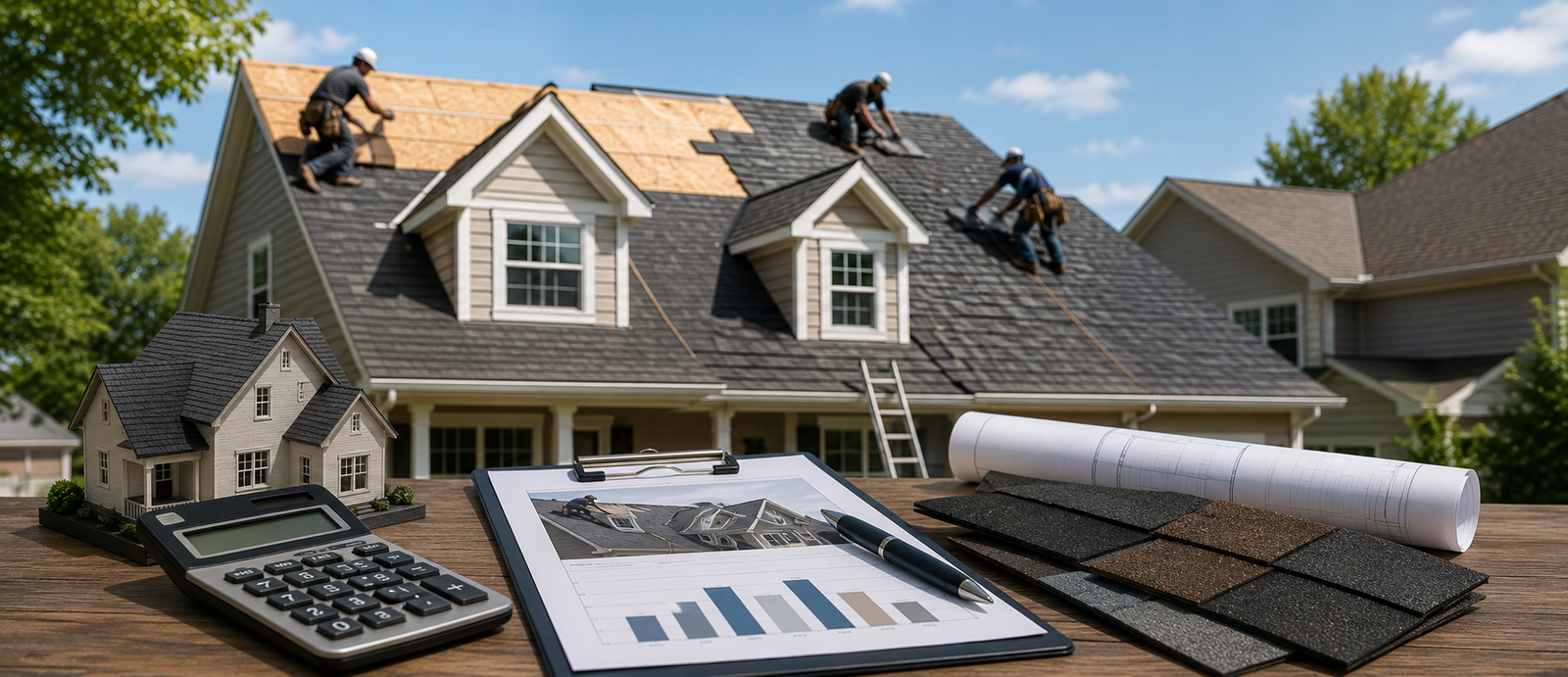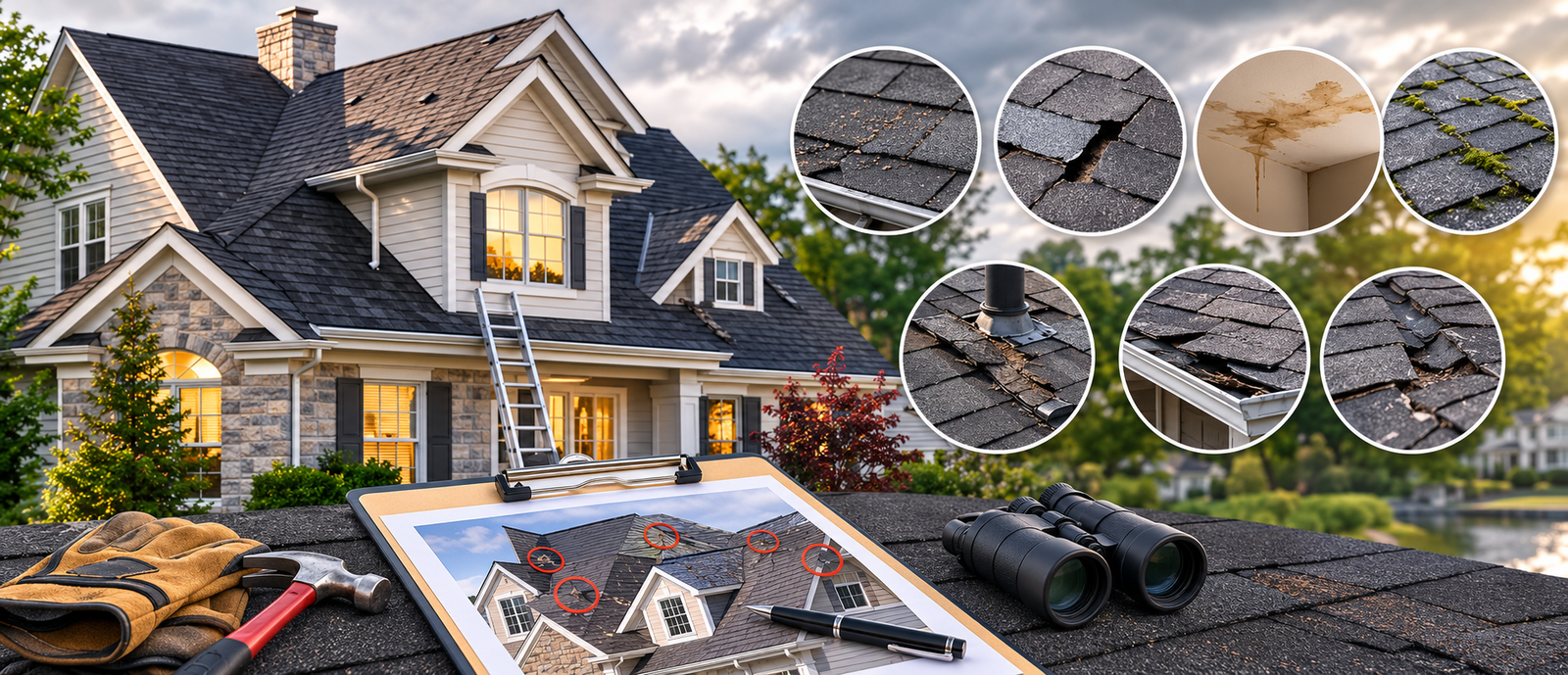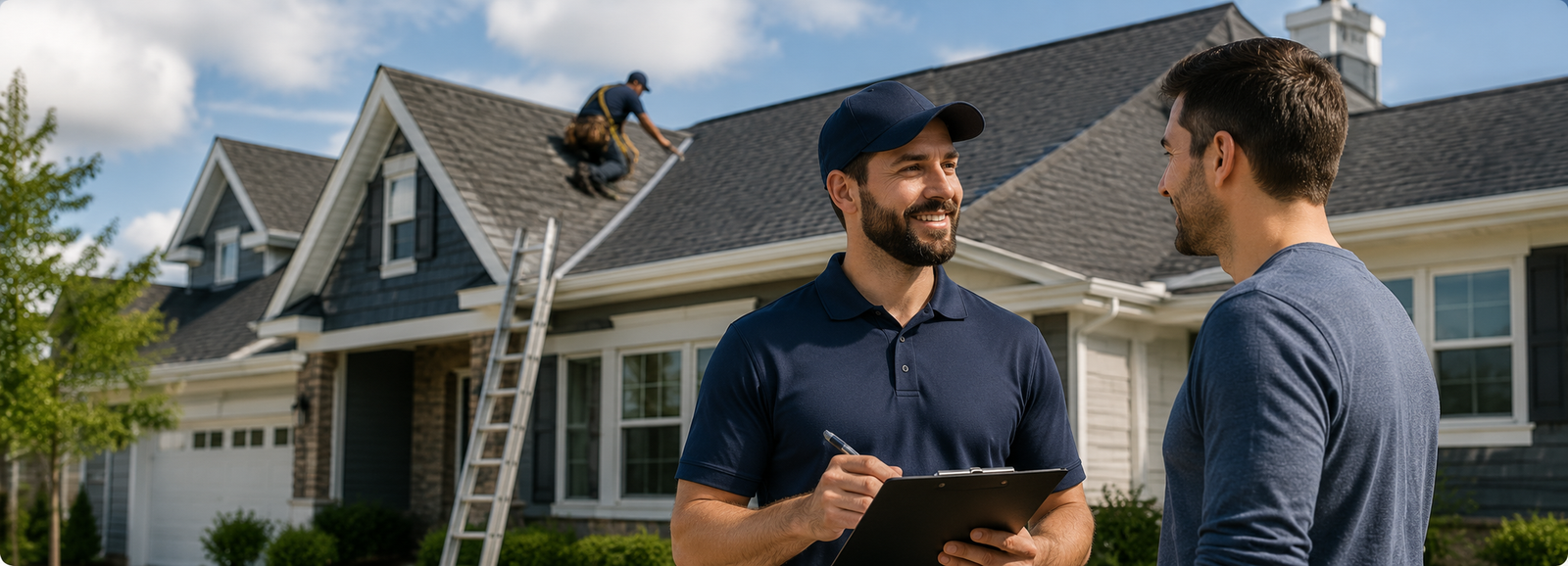
Choosing a roofer is not like choosing a painter. A bad paint job is annoying; a bad roof job leaks, rots your decking, voids your warranty and can cost more to fix than the original work. Add in the money involved, often five figures, and it is clear this is a decision worth doing carefully. The good news is that the process of finding a reliable, trustworthy roofer follows a repeatable checklist, and this guide walks you through it.
Whether you are searching for a "roofing company near me" after a storm or planning a replacement months out, the same standards apply. Here is exactly how to choose a roofing contractor in Montgomery County, in the order that matters.
Why Getting This Right Matters
The roofing industry has a wide quality range. At one end are licensed, insured, established local companies that stake their name on every job. At the other are unlicensed operators and traveling storm crews who compete on price, cut corners, and are gone before problems surface. The difference is invisible in a sales pitch and painfully visible two years later when a cheap roof starts leaking and the "contractor" no longer answers the phone.
Every item on this checklist exists to move you toward the first group and away from the second. None of it is difficult, and a legitimate contractor will pass every check without complaint.
Step 1: Verify the MHIC License (Non-Negotiable)
In Maryland, contractors who perform home improvement work on residential property, roofing included, are generally required to hold a license from the Maryland Home Improvement Commission (MHIC). This is the single most important check, and it is the one homeowners most often skip. A licensed roofing contractor in Maryland has met the state's requirements; an unlicensed one has not, and hiring them strips you of the protections the license exists to provide.
How to Verify an MHIC License
- Ask for the MHIC number in writing. Any legitimate contractor provides it without hesitation. Evasion here is a red flag on its own.
- Look it up yourself. Use the Maryland Department of Labor's free online license search to confirm the license is active and matches the business you are hiring.
- Check for complaints. The same lookup shows disciplinary history. A pattern of complaints is a warning worth heeding.
You can run the check on the Maryland MHIC license page. It takes two minutes and can save you from the most common and most costly hiring mistake. If a license does not check out, stop there, no matter how good the price or the pitch.
Beyond proving qualification, the MHIC administers the Maryland Home Improvement Guaranty Fund, which can compensate homeowners for certain losses caused by licensed contractors. Hire unlicensed, and that protection does not apply. The license is not red tape, it is your recourse if something goes wrong.
Step 2: Confirm Insurance (Both Kinds)
A license is step one; insurance is step two, and an insured roofing contractor should carry two distinct policies:
- General liability insurance covers damage to your property during the job, such as a fall that damages your siding or landscaping.
- Workers compensation insurance covers injuries to the contractor's workers on your property. This one is critical: if an uninsured roofer's employee is hurt on your roof, you could be held financially liable.
Ask for a current certificate of insurance and confirm it is active. Reputable contractors provide it readily. Roofing is one of the more dangerous trades, so this is not a box to leave unchecked.
Step 3: Choose Local and Established
Local roofers depend on their reputation in the community, which is a powerful quality incentive. They will be here next year for warranty work, they know Montgomery County permit requirements and weather, and their references are real neighbors you can actually reach. When you search for local roofers, favor a company with a verifiable local address and history over a crew operating out of a truck for the season. Ask how long they have worked in the area and for recent local references in places like Germantown or Gaithersburg.
Step 4: The Roofing Estimate Checklist
A real estimate comes from someone who physically inspected your roof, and it is detailed. A one-line number scribbled on a card is a guess that becomes a surprise change order later. Your roofing estimate checklist should include:
- An on-site inspection of the roof and, ideally, the attic, not a phone or satellite-only quote.
- Itemized line items: tear-off, decking allowance, underlayment, shingles, flashing, ventilation, permit and cleanup.
- A per-sheet decking price in writing, so you know the cost if rot is found during tear-off.
- The specific material and brand, not just "shingles."
- A written workmanship warranty alongside the manufacturer warranty.
- Clear payment terms with no demand for large cash sums upfront.
For a sense of what fair pricing looks like before you compare quotes, see our roof replacement cost guide for Montgomery County.
Want a Contractor Who Passes Every Check?
Licensed, insured, local, in-house crew, detailed written estimates. We are happy to hand over our MHIC number and certificate of insurance up front. Free, no-obligation inspection across Montgomery County.
Questions to Ask Before Hiring
How a contractor answers these tells you nearly as much as the answers. A professional welcomes them; someone with something to hide gets evasive.
- What is your MHIC license number? (Then verify it.)
- Can you provide a current certificate of insurance for liability and workers comp?
- How long have you been in business in this area, and can I see recent local references?
- Do you use your own crew or subcontractors?
- Do you pull the required permits?
- What does your written workmanship warranty cover, and for how long?
- How do you handle decking or other issues found once the old roof is off?
- What are your payment terms?
Red Flags to Walk Away From
Some warning signs should end the conversation regardless of price:
- No MHIC license, or reluctance to provide the number.
- High-pressure, sign-today tactics, especially door-to-door after a storm.
- Large cash deposits demanded upfront, or cash-only pricing.
- No physical local address or no verifiable local references.
- A bid dramatically lower than others, which usually means corners will be cut somewhere you cannot see.
- Offers to "waive your deductible" on an insurance job, which can be insurance fraud.
Storm chasers rely on urgency and fear. If your roof was recently damaged, slow down, document it (our guide on spotting hidden roof storm damage shows how), and hire the same way you would for any other job.
In-House Crew vs Subcontractors
Ask whether the company self-performs the work or hands it to subcontractors. With subcontractors, quality varies crew to crew, accountability blurs, and problems can turn into finger-pointing between the contractor and the sub. A company that uses its own in-house team owns the outcome from start to finish. We explain the full case in our guide on why a full-service GC beats managing subcontractors. It is one of the clearest quality signals you can ask about.
Your Quick Hiring Checklist
Before you sign anything, confirm the contractor:
- Holds a valid, verified MHIC license
- Carries current liability and workers comp insurance
- Is local and established with real references
- Provides a detailed written estimate and workmanship warranty
- Uses its own crew, pulls permits, and has fair payment terms
- Applied no pressure and raised no red flags
Tick every box and you have found a roofer worth hiring. When you are ready, we handle roofing across Montgomery County through our roof and gutter service and specialty roofing service, and we are glad to walk you through this checklist ourselves.