Most homeowners think about their roof exactly twice: when they buy the house, and when it starts leaking. Everything in between is a slow, invisible decline that a simple inspection would catch. That gap is where expensive problems grow, a small area of failed flashing becomes a rotted deck, a lifted shingle becomes a soaked attic, a minor issue becomes a five-figure repair.
A professional roof inspection in Montgomery County, MD closes that gap. It is quick, often free, and it replaces guesswork with facts: what condition your roof is really in, how long it will last, and what, if anything, needs attention now. This guide explains the whole process so you know exactly what to expect and how to get real value from it.
Why Roof Inspections Actually Matter
The value of an inspection is simple: it catches problems early, when they are small and cheap. Nearly every major roof failure starts as a minor issue that gave warning signs, signs a homeowner on the ground could not see but an inspector could. Regular inspection is the difference between a fifty-dollar fix and a five-thousand-dollar one.
Beyond catching damage, an inspection gives you an honest read on your roof's remaining lifespan, which lets you plan and budget for eventual replacement on your schedule rather than in a panic after a leak. It also creates a record of your roof's condition, useful for insurance, warranties and home sales. In a demanding climate like Maryland's, where humidity, storms and freeze-thaw cycles all take a toll, that regular checkup is genuinely one of the best-value things you can do as a homeowner.
When You Should Get a Roof Inspection
Certain moments call for an inspection more than others. Book one if:
- It has been a year or more since your last inspection, annual is the baseline.
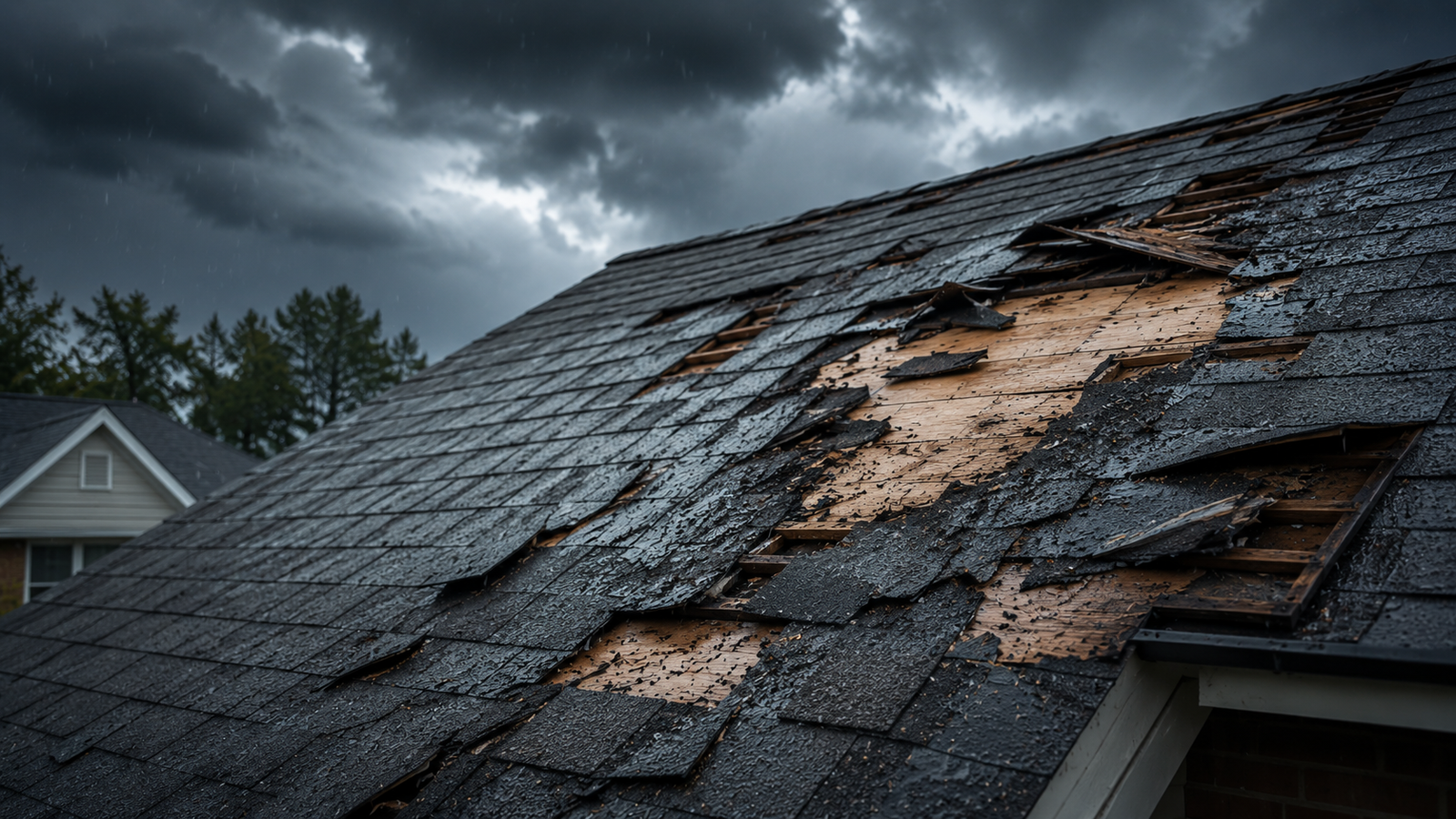
- A major storm just passed through, wind, hail or heavy rain can cause damage that is invisible from the ground.
- You are buying or selling a home, the roof's condition affects value and negotiation.
- You notice warning signs like leaks, water stains, missing shingles or granules in the gutters.
- Your roof is aging, approaching or past its expected lifespan.
- Before a warranty deadline, to document condition while coverage still applies.
If you are noticing possible damage, our guide on spotting hidden storm damage and the 7 warning signs your roof needs replacement can help you decide how urgent the inspection is.
How Often Should You Inspect Your Roof?
For Maryland homes, the practical rule is at least once a year, plus after any major storm. Younger roofs in good condition can comfortably run on that annual schedule. Older roofs, or those already showing wear, benefit from more frequent checks, because problems accelerate as a roof ages. Think of it like a dental checkup: regular, inexpensive visits prevent the rare, expensive emergency. Annual roof maintenance and inspection is cheap insurance against the far larger cost of an unnoticed problem.
The Exterior Inspection
The most visible part of an inspection is the exterior examination of the roof itself. Here the inspector is looking at the condition of the roof covering and the components that keep water out. Specifically:
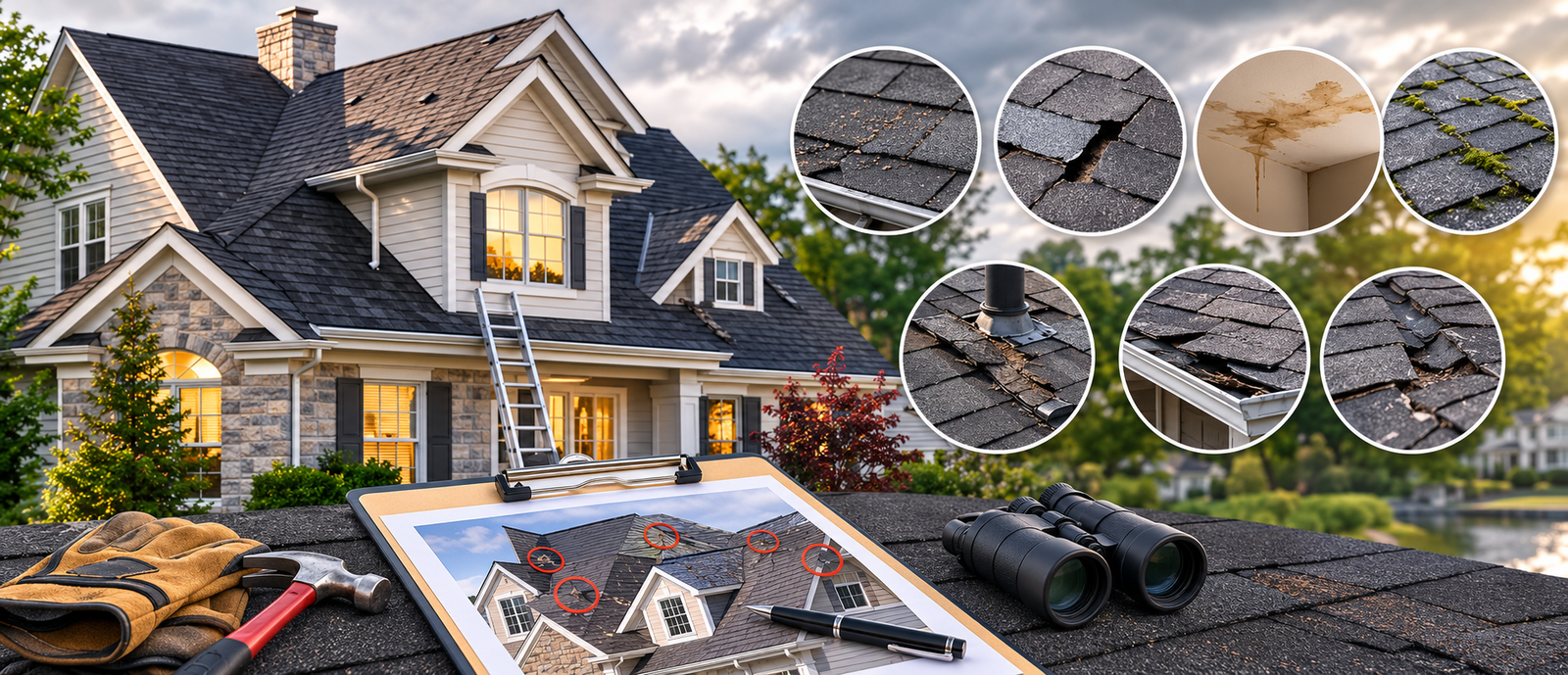
- Shingle condition: curling, cupping, cracking, blistering, missing shingles, and granule loss that signals aging.
- The roofline: any sagging or unevenness that could indicate structural or decking issues.
- Gutters and drainage: whether water is draining properly, and whether granules are accumulating in the gutters.
- Moss, algae and debris: organic growth that holds moisture and accelerates decay.
- Penetrations: the areas around vents, pipes, chimneys and skylights, common trouble spots.
The exterior check gives the headline on the roof's condition, but the details that predict future leaks often live in the flashing and the attic.
Flashing and the Places Leaks Actually Start
Here is something many homeowners do not realize: most roof leaks do not start in the middle of a shingle field, they start at the flashing, the metal that seals the joints and transitions where the roof meets something else. That means chimneys, valleys where two roof planes meet, vent pipes, skylights and wall intersections. A careful flashing inspection is one of the most important parts of the whole process.
The inspector checks whether flashing is intact, properly sealed, rust-free and correctly installed. Failed or poorly installed flashing is a leading cause of leaks, and because these areas are hard to see from the ground, problems here often go unnoticed until water is already inside. A thorough inspector spends real time on these transition points, not just the open expanses of shingle.
The Attic Inspection: The Half Most People Miss
A roof inspection that stops at the exterior is only half an inspection. The attic inspection is where many problems reveal themselves first, and where a good inspector learns things the outside cannot tell them. From inside the attic, the inspector looks for:
- Leaks and water stains on the underside of the decking, the earliest sign of a breach.
- Daylight showing through where it should not be.
- Moisture, damp insulation and mold, signs of an active or past water problem.
- Ventilation: whether the attic is properly ventilated, one of the biggest factors in roof lifespan.
- Insulation condition and any signs of pests or structural issues.
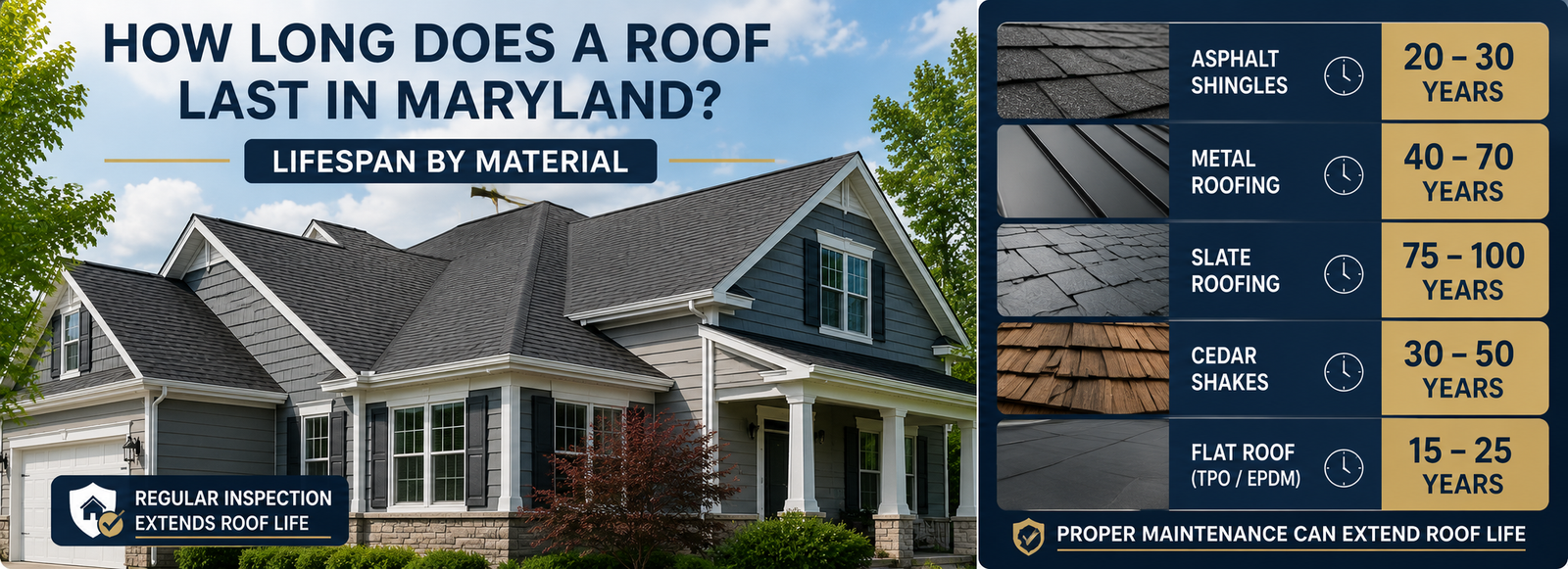
That ventilation check matters more than most homeowners expect. A poorly ventilated attic traps heat and moisture that age a roof prematurely from below, so an inspection that catches a ventilation problem can add years to your roof's life. We explain this connection in our guide on how long a roof lasts in Maryland. The bottom line: if an inspector never asks to see your attic, the inspection was incomplete.
An easy way to gauge whether you are getting a real inspection: did they go into the attic? A thorough roof inspection always includes an interior attic check, because that is where leaks, moisture and ventilation problems show up first. An exterior-only "inspection" from the driveway is a quick look, not a real assessment.
The Full Roof Inspection Checklist
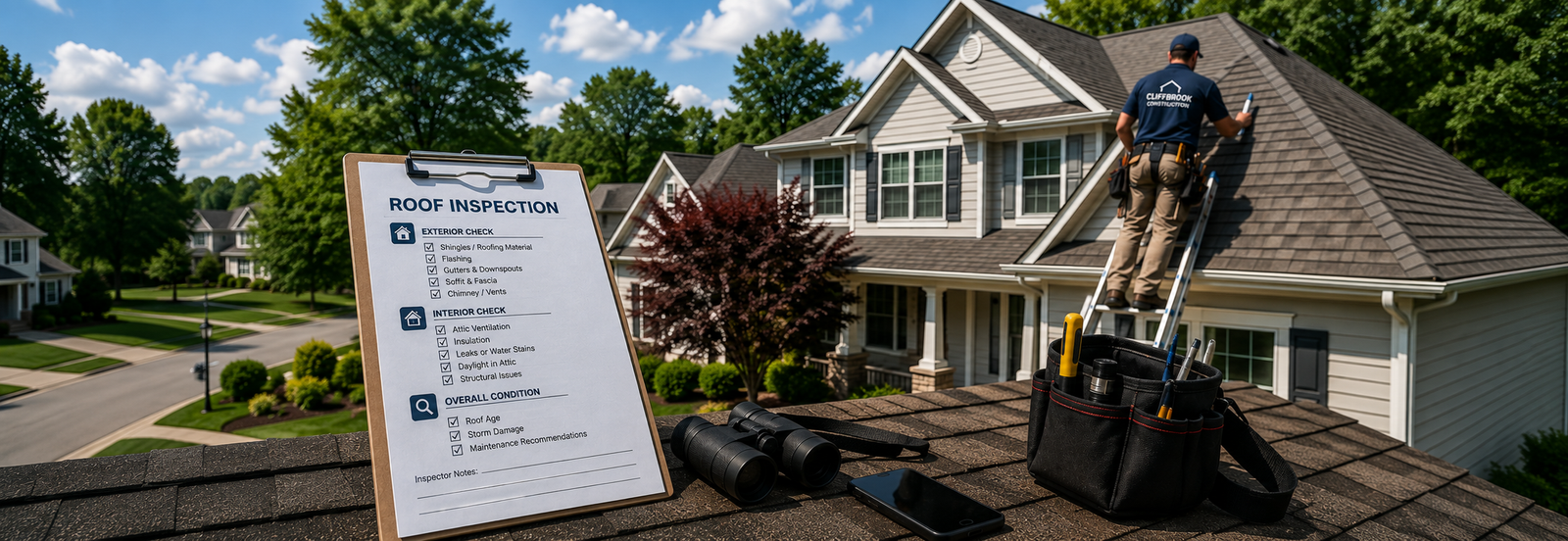
Pulling it all together, here is the roof inspection checklist a thorough professional inspection covers, so you know what a complete job looks like:
| Area | What's Checked |
|---|---|
| Roof Covering | Shingle condition, curling, cracking, missing pieces, granule loss |
| Flashing | Chimneys, valleys, vents, skylights, wall joints, sealed and intact |
| Gutters & Drainage | Proper drainage, granule buildup, secure attachment |
| Roofline & Structure | Sagging, unevenness, signs of decking issues |
| Penetrations | Vents, pipes, chimneys, skylights and their seals |
| Attic Interior | Leaks, water stains, daylight, moisture, mold |
| Ventilation | Adequate intake and exhaust airflow |
| Age & Lifespan | Estimated remaining life based on condition and material |
Get a Free, No-Pressure Roof Inspection
We inspect the exterior and the attic, give you an honest assessment of your roof's condition and remaining life, and a clear report, with zero obligation and zero pressure. Serving Germantown, Olney and all of Montgomery County.
How Much Does a Roof Inspection Cost?
Cost depends on the type of inspection. Many contractors, including us, offer free roof inspections, particularly when you are weighing repairs or a replacement, since it is the natural starting point of that conversation. A standalone paid inspection, such as a detailed inspection for a real estate transaction or a formal certification, typically runs from around one hundred to a few hundred dollars, depending on roof size, complexity and the depth of the report.
For most homeowners who simply want to know their roof's condition, a free contractor inspection is the easiest and lowest-cost place to start. The key is understanding what you are getting: always confirm whether the inspection is free, and what it includes, before you book. A free inspection that covers the exterior and attic and comes with an honest report is real value.
What the Inspection Report Should Tell You
A good inspection ends with a clear report of findings, not a vague verbal "looks fine" or an alarming "you need a whole new roof" with nothing to back it up. A quality report tells you the roof's overall condition, any specific problems found and where, the estimated remaining lifespan, and clear recommendations, whether that is "no action needed, recheck next year," a specific repair, or planning for replacement down the road. Photos of any issues are a strong sign of a thorough, honest inspector. The report is what turns an inspection into something useful you can act on and keep on file.
Roof Certification for Buying and Selling
In some real estate transactions, a roof certification may be requested, a formal statement from a qualified contractor about the roof's current condition and estimated remaining life. If you are selling, having your roof inspected and, where appropriate, certified ahead of time lets you address issues proactively and avoid last-minute deal complications. If you are buying, a dedicated roof inspection gives you far more detail than the cursory look a roof usually gets in a general home inspection, information that can genuinely affect your offer. Either way, knowing the roof's true condition before the deal closes protects you from an expensive surprise.
Telling a Real Inspection from a Sales Pitch
Because a "free inspection" is sometimes used as a foot in the door by less scrupulous operators, it is worth knowing the difference. A trustworthy inspection informs you; a sales pitch pressures you. Be cautious of anyone who claims major damage without showing you photos or evidence, who pushes you to sign a contract on the spot, or who never actually looks in your attic. A legitimate inspector shows you what they found, explains your options without pressure, and is fine with you getting a second opinion. This is closely related to the red flags in our guide on avoiding roofing scams and storm chasers, well worth reading, especially after a storm.
That is exactly the standard we hold ourselves to: a genuine inspection of the exterior and attic, an honest report with photos, and no pressure. Whether your roof needs nothing, a small repair, or eventual replacement, you will get the straight story. When you are ready, our guides on roof repair vs replacement and choosing a roofing contractor help you take the next step, and you can learn more about our roof and gutter service any time.